
What Is Wax?
Wax is an organic material with thermoplastic behavior that is solid at room temperature, flammable, and insoluble in water. The term “wax” applies to a wide variety of different chemical substances. Technological advancements in today’s world have led to the discovery of numerous commercial materials with diverse chemical compositions and properties, all classified as waxes. Waxes can be obtained naturally or synthetically and can be categorized based on their primary source as follows:

Natural Waxes
Natural waxes include various types of animal waxes such as beeswax, lanolin, and tallow, as well as plant-based waxes like carnauba wax, candelilla wax, and soy wax.
Mineral Waxes
Mineral waxes originate from the earth and are classified into two categories: earth waxes such as ceresine and montan wax, and petroleum waxes like paraffin waxes.
Synthetic and Artificial Waxes
Synthetic waxes are man-made and include various polymer waxes such as polyethylene and polyether esters, chlorinated paraffin waxes, and waxes produced through the Fischer-Tropsch process.
Petroleum Waxes
Petroleum waxes are ultimately derived from crude oil. Crude oil, extracted from the earth, consists of a complex mixture of hydrocarbons formed from the decomposition of aquatic plants and animals that lived millions of years ago. The crude oil is transported to refineries where it is processed through complex procedures into final products. Many of the products obtained from oil refining are used for lubrication. Oil refining also produces petroleum waxes as by-products of the oil cuts.
What Is Solid Paraffin?
Solid paraffin is a saturated alkane consisting of linear chains of 25 to 40 carbon atoms. Physically, it appears as a solid, and chemically, it is a mixture of hydrocarbons with the formula CnH2n+2. The unique chemical structure of paraffin imparts properties such as low reactivity, high specific heat capacity, and water impermeability. Based on these properties, paraffin finds important applications in various industries including packaging, insulation, rubber manufacturing, match production, and candle making.
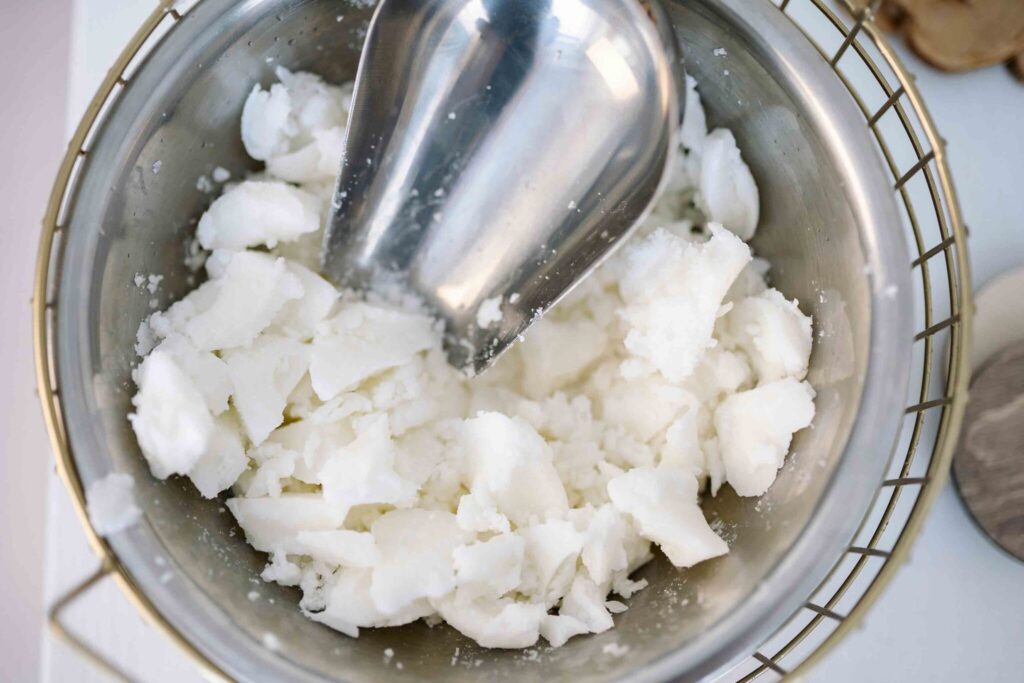
Classification of Solid Paraffin Based on Refining Level and Feedstock Properties
Depending on the degree and type of refining, as well as feedstock characteristics such as melting point, viscosity, oil content percentage, and needle penetration, paraffins derived from petroleum refining are categorized into different grades including edible, pharmaceutical, industrial, and crystalline types.
Edible Solid Paraffin
Edible solid paraffin contains the lowest amount of polycyclic aromatic hydrocarbons and is fully refined. This grade must comply with all FDA standards.
Pharmaceutical Solid Paraffin
Pharmaceutical grade solid paraffin, due to its contact with skin and hair, must have a high degree of purity, be fully refined, and contain a maximum oil content of 0.5%.
Crystalline Paraffin
Crystalline solid paraffin is light and contains less than 0.5% oil content. It is widely used in the candle-making and cosmetic industries. This grade has a melting point below 60 degrees Celsius and is produced in various grades.
Industrial Solid Paraffin
Industrial and heavy solid paraffin is classified based on oil content into grades of maximum 1%, 1 to 3%, 3 to 5%, and 5 to 7%. It generally has a higher melting point compared to crystalline grades.
Storage Conditions
The best storage conditions for paraffin are at temperatures below 30 degrees Celsius and away from light.
Purchasing Solid Paraffin
For purchasing solid paraffin and consultation, you can contact us during business hours.